You Need to Know Before Making Your First Purchase
Buying your first handmade knife is different from buying any ordinary tool. A handmade
knife is crafted with attention to detail, carefully selected materials, and hours of skilled
workmanship. Instead of rolling off a factory assembly line by the thousands, every
handmade knife carries the mark of the craftsman who created it.
For someone purchasing their first knife, the number of choices can feel overwhelming.
Different blade shapes, various steel types, unique handle materials, and countless
designs make it difficult to know where to begin. Many first-time buyers also worry about
spending money on a knife that may not suit their needs.
The good news is that choosing the right handmade knife doesn't have to be complicated.
Once you understand a few basic features and know what you'll actually use the knife for,
selecting the perfect one becomes much easier.
This guide explains everything a beginner should know before purchasing their first
handmade knife.
Why Choose a Handmade Knife?
Many people begin their search by comparing handmade knives with factory-produced
ones. At first glance they may appear similar, but there are significant differences.
Factory knives are designed to be produced quickly and in large numbers. While many
perform well, the manufacturing process often focuses on speed and consistency.
A handmade knife follows a different path.
Every stage from shaping the blade to fitting the handle and polishing the final finish—is
completed with care. Instead of rushing through production, the maker concentrates on
creating a knife that performs well while maintaining a high level of craftsmanship.
This attention to detail often results in:
• Better fit and finish
• Carefully balanced weight
• Comfortable grip
• Longer service life
• Unique appearance
• Greater attention to quality
Rather than owning something identical to thousands of other knives, you own a piece that
reflects genuine craftsmanship.
Start with the Purpose, Not the Design
One of the biggest mistakes beginners make is buying a knife simply because it looks
impressive.
While appearance matters, the intended use should always come first.
Ask yourself:
What will I actually use this knife for?
Your answer will narrow the choices immediately.
Everyday Carry
If your knife will mostly stay in your pocket or backpack, a folding knife is usually the
smartest option.
An everyday carry knife is useful for simple daily tasks such as:
• Opening packages
• Cutting rope
• Outdoor picnics
• Camping
• Light household work
• General utility tasks
A compact handmade folding knife offers convenience without taking up much space.
Outdoor Adventures
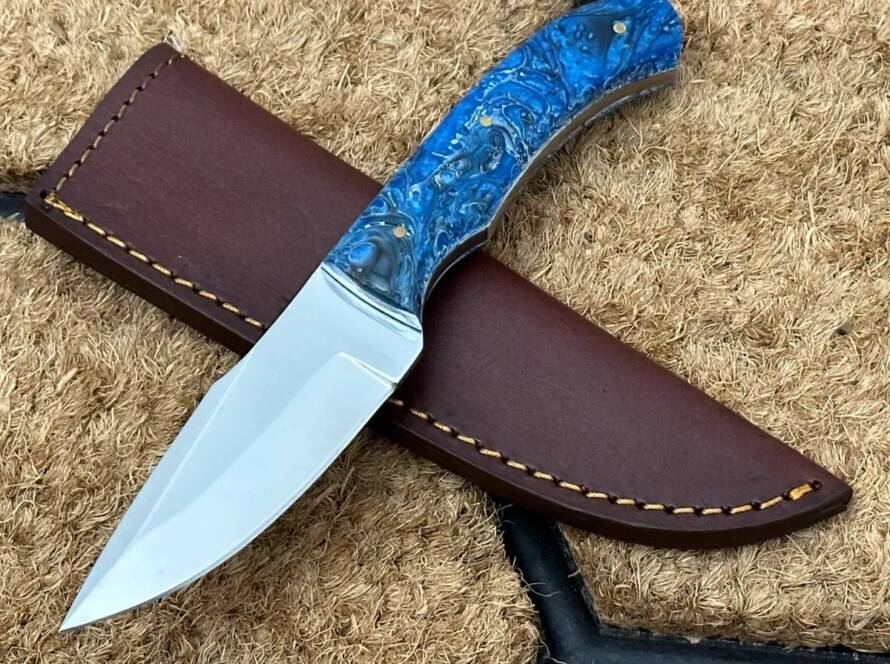
People who enjoy camping, hiking, fishing, or spending weekends outdoors often benefit
from a fixed-blade knife.
These knives are designed for tougher jobs and provide greater strength because the blade
extends through the handle.
Outdoor knives are commonly used for:
• Preparing firewood
• Cutting cordage
• Food preparation
• Campsite tasks
• Bushcraft activities
A durable leather sheath also makes carrying a fixed blade safe and convenient.
https://ashgears.ca/shop/ols/categories/damascus-steel-skinning-bushcraft-knives
Kitchen Preparation
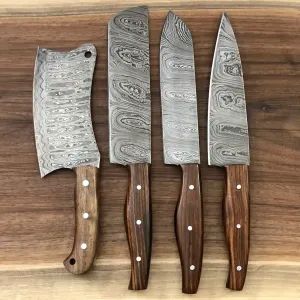
A handmade chef knife is one of the most versatile tools any kitchen can have.
Unlike ordinary kitchen knives, a handcrafted chef knife is designed with balance and comfort in mind, making food preparation smoother and more enjoyable.
Whether you're slicing vegetables, preparing meat, or chopping herbs, a quality handmade chef knife provides excellent control.
https://ashgears.ca/shop/ols/categories/damascus-kitchen-chef-knives
Understanding Blade Steel
Many first-time buyers believe the sharpness of a knife is the most important feature.
In reality, the steel determines much of the knife's long-term performance.
The right steel affects:
• Edge retention
• Corrosion resistance
• Sharpening ease
• Durability
• Overall lifespan
440C Stainless Steel
440C remains one of the most trusted stainless steels for handmade knives.
For beginners, it offers an excellent balance between performance and maintenance.
Some of its advantages include:
• Strong resistance to rust
• Reliable edge retention
• Easy maintenance
• Straightforward sharpening
• Excellent everyday performance
If you're purchasing your first handmade knife, 440C is a practical and dependable choice.
https://ashgears.ca/shop/ols/categories/440c-bowie-daggers-kukri-knives
Damascus Steel
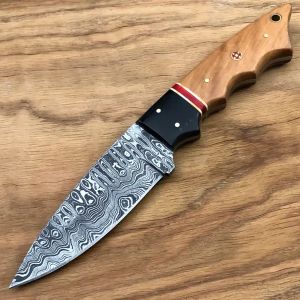
Few blade materials attract attention like Damascus steel.
Its flowing layered patterns make every knife visually unique.
However, Damascus steel is appreciated for more than appearance.
When crafted properly, Damascus blades combine multiple layers of steel through repeated forging.
This process creates distinctive patterns while producing a blade that is both attractive and dependable.
At Ash Gears, our Damascus steel blades are created by pairing 15N20 with 1095 high-
carbon steel, producing the signature layered design collectors and outdoor enthusiasts
admire. The finished blades are carefully heat-treated to achieve a hardness of
approximately 55–58 HRC, providing a balance between durability, edge retention, and
ease of maintenance.
Choosing the Right Handle Material
The blade often gets the most attention, but the handle plays an equally important role.
A comfortable handle improves control and reduces hand fatigue during extended use.
Some popular materials include:
Walnut Wood
Walnut offers natural beauty with a comfortable feel. Its rich grain makes every knife look
slightly different while providing dependable strength.
Camel Bone
Camel bone creates an elegant appearance that many collectors appreciate. Its natural
texture gives every handle its own distinctive character.
Densified Wood
This material combines the traditional look of wood with enhanced durability, making it
resistant to moisture and everyday wear.
Resin
Resin handles are popular for their vibrant appearance and excellent weather resistance.
They require very little maintenance while remaining comfortable to hold.
Folding Knife or Fixed Blade?
This decision depends almost entirely on how you plan to use the knife.
Folding Knife
Ideal if you want:
• Easy portability
• Compact storage
• Everyday convenience
• Pocket-friendly design
https://ashgears.ca/shop/ols/categories/440c-folding-pocket-knives
https://ashgears.ca/shop/ols/categories/damascus-steel-folding-knives
Fixed Blade
Ideal if you need:
• Greater strength
• Outdoor reliability
• Camping equipment
• Bushcraft use
• Heavy-duty cutting tasks
Neither option is universally better. The best choice depends on your lifestyle.
Don't Ignore Comfort
Specifications are helpful, but comfort should never be overlooked. A knife that feels balanced and secure in your hand will always be more enjoyable to use than one chosen only for its appearance.
When selecting your first handmade knife, pay attention to:
• Grip comfort
• Overall balance
• Weight
• Handle thickness
• Ease of control
A well-balanced knife often feels lighter than its actual weight because the weight is evenly
distributed.
Common Mistakes First-Time Buyers Make
Learning from other people's mistakes can save both money and disappointment.
Buying the Largest Knife
Many beginners assume a bigger knife performs better. In reality, larger knives can be heavier, less comfortable, and unnecessary for everyday use. Choose the size that matches your intended tasks.
Choosing Style Over Function
Beautiful craftsmanship is important, but performance should always come first.
The knife should fit your daily needs before it fits your display shelf.
Ignoring Maintenance
Even premium knives require occasional care. Cleaning your knife after use, storing it in a dry place, and sharpening it when needed will keep it performing for years.
Purchasing Without Research
Buying the first attractive knife you find often leads to regret.
Take time to understand:
• Steel type
• Handle material
• Blade style
• Intended use
• Overall craftsmanship
A little research makes a big difference.
Simple Care Tips for Beginners
Looking after your knife doesn't require expensive equipment.
A few good habits are enough.
• Clean the blade after each use.
• Dry it completely before storage.
• Store it in a dry location.
• Apply a light coat of protective oil to Damascus or other high-carbon blades when
appropriate.
• Sharpen the edge before it becomes excessively dull.
• Keep leather sheaths dry to help preserve their condition.
Consistent care helps your handmade knife maintain both its appearance and performance over time.
Is a Handmade Knife Worth It?
For many people, the answer is yes. A handmade knife isn't simply another item to own it becomes a dependable tool that can accompany you through everyday tasks, outdoor adventures, cooking, and years of regular use. Because each knife is individually crafted, no two pieces are exactly alike. That uniqueness is one of the qualities that draws people toward handmade knives.
Instead of replacing inexpensive knives every few years, many owners find themselves relying on one quality handmade knife for a very long time.
Final Thoughts
Your first handmade knife should make everyday tasks easier not leave you wondering
whether you chose correctly.
Take your time, think about how you'll use the knife, and focus on quality rather than
trends. A well-made knife doesn't need unnecessary features or flashy marketing to prove
its value. It earns its place through reliable performance, thoughtful craftsmanship, and
comfortable handling.
Whether you're interested in a compact folding knife for daily carry, a dependable fixed
blade for outdoor adventures, or a handcrafted chef knife for the kitchen, selecting the
right tool from the beginning will make every use more enjoyable.
At Ash Gears, we believe a handmade knife should combine craftsmanship, premium
materials, and practical performance. Every knife is made with attention to detail so that
beginners and experienced users alike can own a tool they can trust for years to come.
Frequently Asked Questions:
What is the best handmade knife for beginners?
A 440C stainless steel folding knife is an excellent starting point because it offers good
edge retention, corrosion resistance, and straightforward maintenance.
Is Damascus steel suitable for a first knife?
Yes. A well-crafted Damascus knife combines attractive layered patterns with dependable
performance, making it a great option for beginners who appreciate both function and
craftsmanship.
How long will a handmade knife last?
With proper care and regular maintenance, a quality handmade knife can provide reliable
service for many years.
Do handmade knives require special maintenance?
Not necessarily. Cleaning, drying, proper storage, and occasional sharpening are usually
all that's needed. High-carbon or Damascus blades may also benefit from a light coat of
protective oil after cleaning.
Should I buy a folding knife or a fixed blade?
Choose a folding knife if you want something compact for everyday carry. A fixed blade is
often the better option for camping, outdoor activities, and heavier cutting tasks.